


In the digital age, businesses are constantly searching for technologies that improve efficiency, reduce operational costs, and support innovation. One of the most transformative technologies driving this shift is cloud computing. Over the past decade, cloud computing has evolved from a new concept into a core component of modern IT infrastructure.

Today, organizations across industries—from startups to multinational corporations—are leveraging cloud technologies to power applications, store data, manage workloads, and support remote teams. The ability to access computing resources over the internet has fundamentally changed how companies build and scale their digital operations.
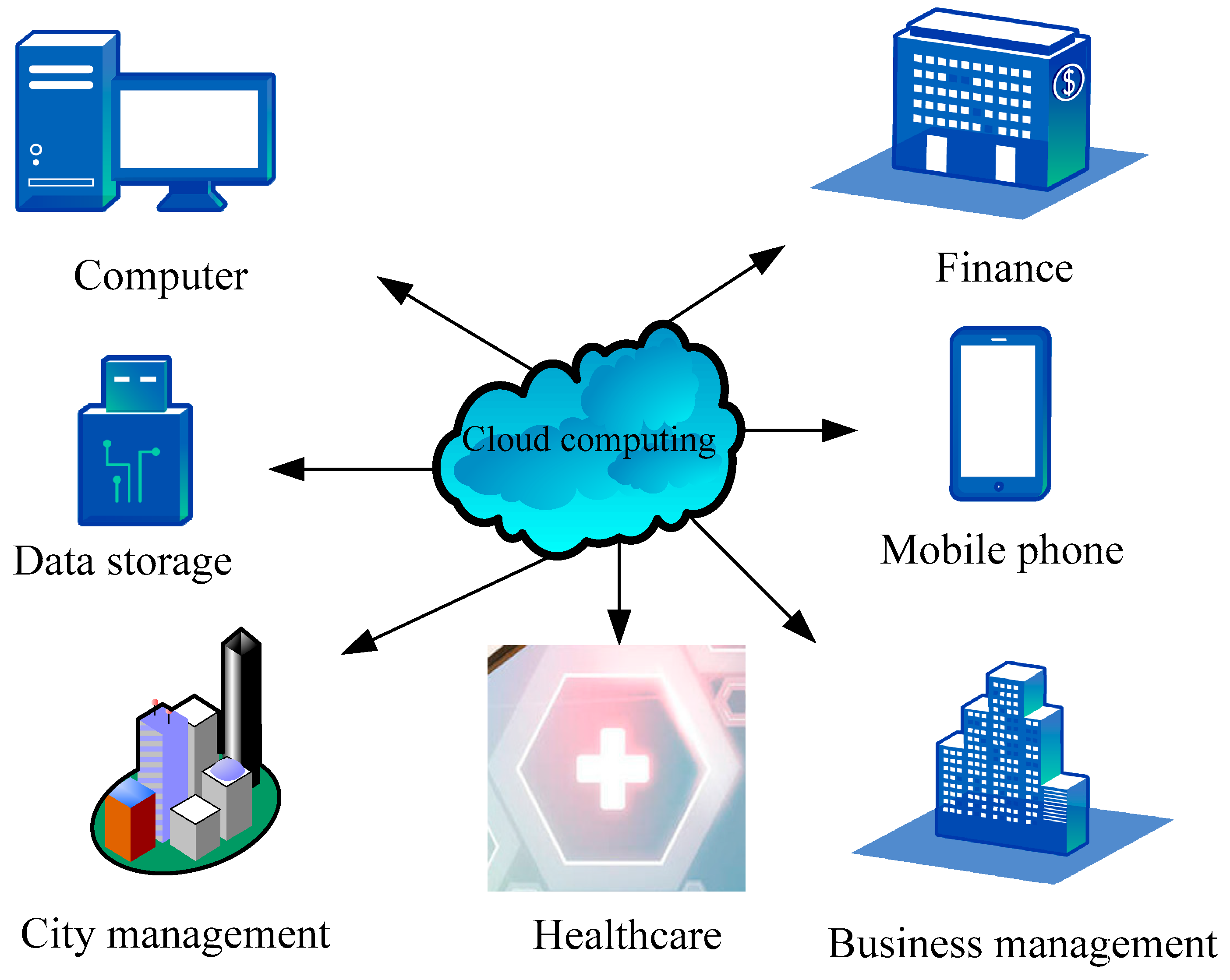
This article explores cloud computing in depth, including how it works, its key service models, advantages, real-world applications, and why it has become essential for modern businesses.
What Is Cloud Computing?
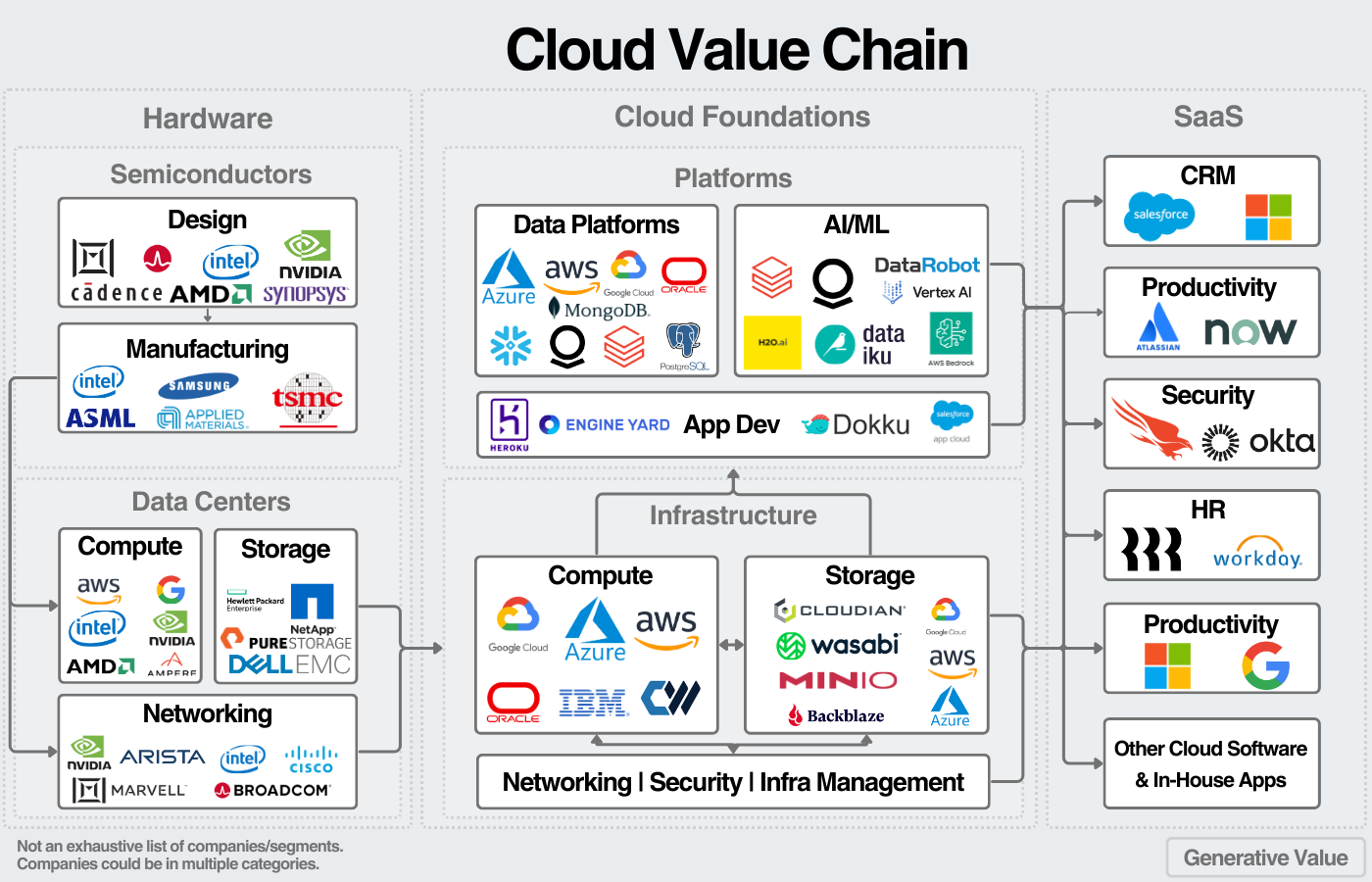
Cloud computing refers to the delivery of computing services over the internet. These services include servers, storage, databases, networking, software, analytics, and artificial intelligence tools. Instead of relying on local machines or physical servers within an office, businesses can access these resources through remote data centers operated by cloud providers.

The core idea behind cloud computing is simple: organizations no longer need to purchase, maintain, and upgrade expensive hardware infrastructure. Instead, they can rent computing resources on demand and scale them based on their needs.

Cloud platforms operate through large networks of secure data centers distributed across different geographic regions. This global infrastructure allows businesses to access reliable computing power anytime and from anywhere.
Types of Cloud Computing Deployment Models
Organizations can adopt cloud computing through several deployment models depending on their security requirements, infrastructure strategy, and operational goals.

Public Cloud
The public cloud is the most common deployment model. In this environment, computing resources such as servers and storage are owned and operated by third-party providers. These services are delivered over the internet and shared among multiple customers.
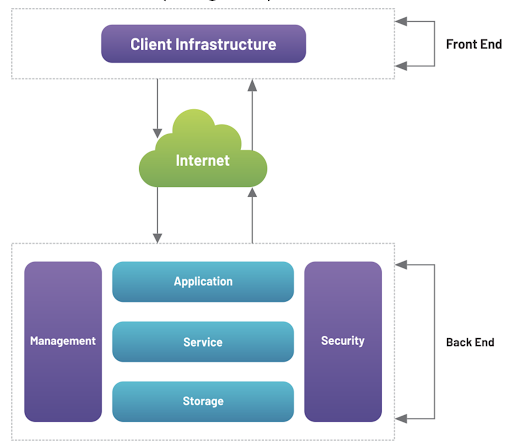
Public cloud solutions are highly scalable and cost-efficient because businesses only pay for the resources they consume.

Private Cloud
A private cloud is dedicated to a single organization. The infrastructure may be hosted in a company's own data center or managed by a third-party provider. Private clouds offer greater control over security, compliance, and customization.

This model is often used by industries with strict regulatory requirements, such as finance, healthcare, and government institutions.

Hybrid Cloud
A hybrid cloud combines both public and private cloud environments. Organizations can keep sensitive data in a private cloud while using public cloud resources for applications that require scalability and high performance.

Hybrid cloud strategies allow businesses to achieve flexibility while maintaining security and control over critical systems.
Cloud Service Models
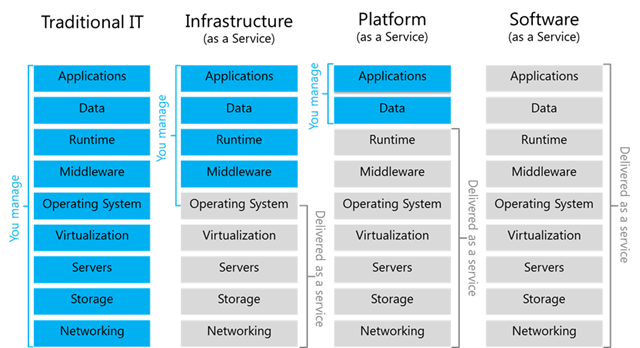
Cloud computing services are typically divided into three primary categories.

Infrastructure as a Service (IaaS)
Infrastructure as a Service provides virtualized computing infrastructure such as virtual machines, storage, and networking. Businesses can build their own operating systems, applications, and development environments on top of this infrastructure.

IaaS is commonly used by developers, startups, and enterprises that need flexible infrastructure without purchasing physical servers.
Platform as a Service (PaaS)
Platform as a Service offers a complete development environment in the cloud. Developers can build, test, and deploy applications without managing the underlying infrastructure.
This allows development teams to focus on writing code instead of configuring servers or managing operating systems.
Software as a Service (SaaS)
Software as a Service delivers applications through a web browser. Users can access software without installing or maintaining it locally.

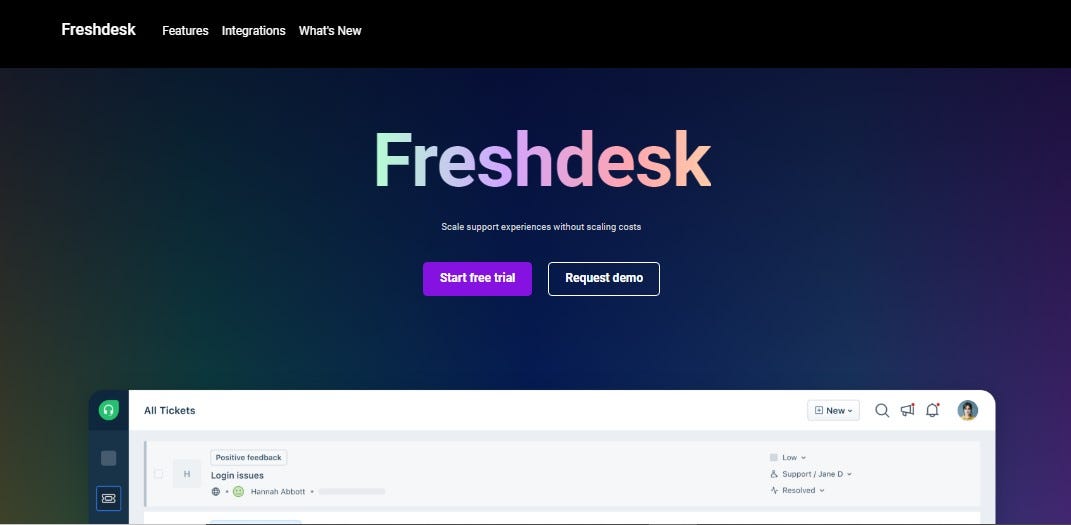
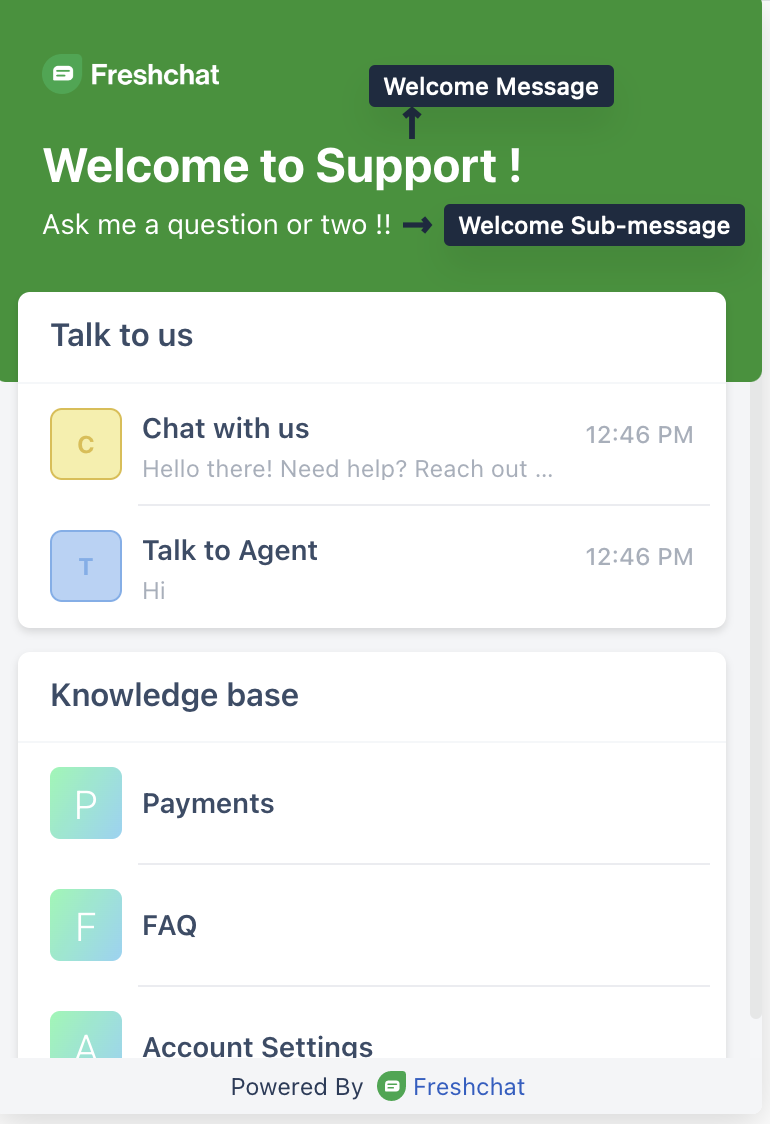
Examples include email platforms, collaboration tools, customer relationship management systems, and cloud-based productivity software.
Key Advantages of Cloud Computing
Cloud computing provides several advantages that make it highly attractive for modern organizations.

Cost Efficiency
Traditional IT infrastructure requires large upfront investments in hardware, data centers, and maintenance. Cloud computing eliminates these expenses by offering a pay-as-you-go model, allowing companies to pay only for the resources they use.

Scalability and Flexibility
Businesses often experience fluctuations in demand. Cloud platforms allow organizations to scale computing resources instantly without purchasing additional hardware.
Global Accessibility
Cloud-based applications can be accessed from anywhere with an internet connection. This accessibility supports remote work, global teams, and digital collaboration.
Improved Security
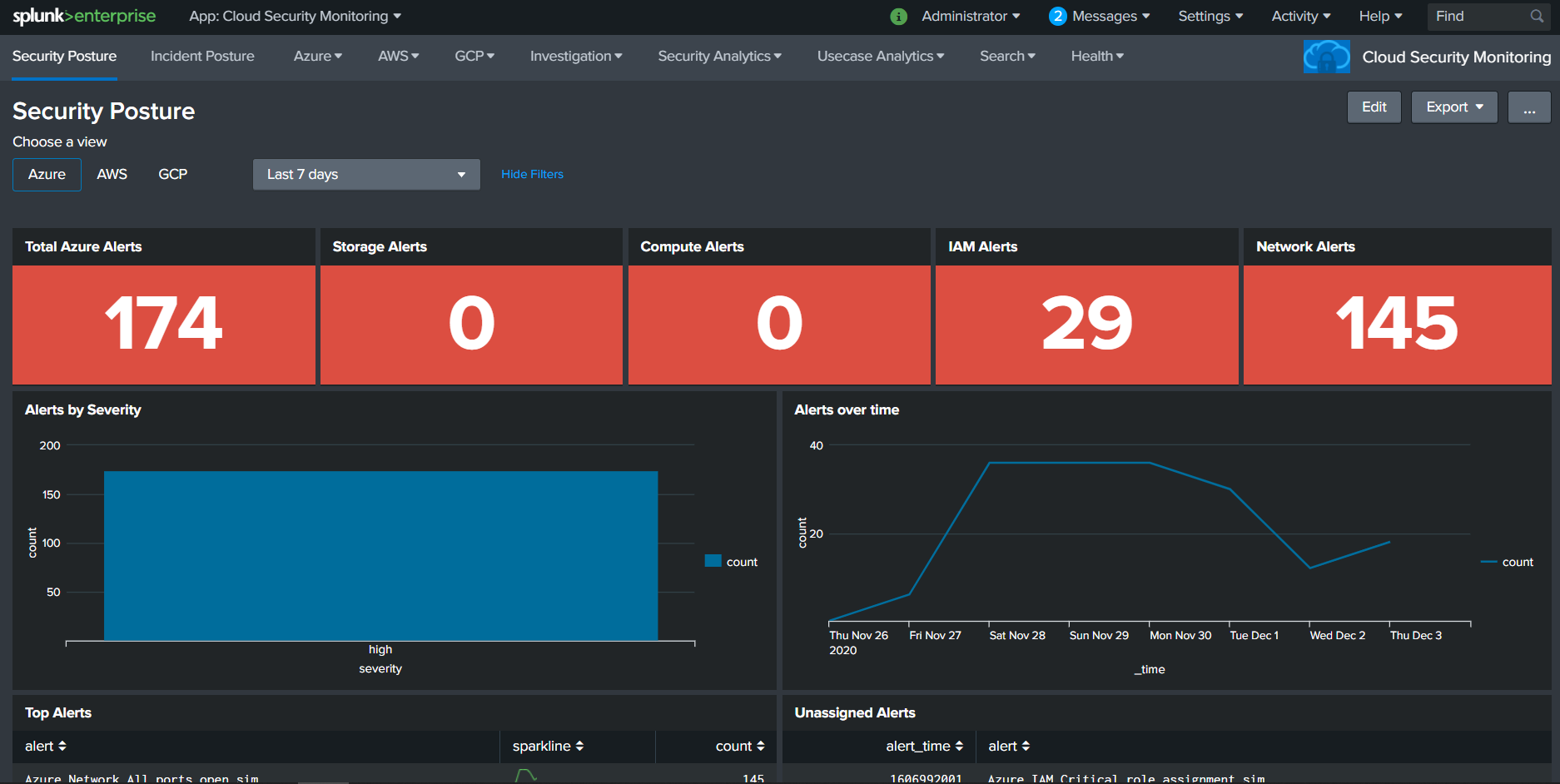
Leading cloud providers invest heavily in advanced cybersecurity technologies. These include data encryption, multi-factor authentication, automated monitoring systems, and regular security updates.
Disaster Recovery
Cloud platforms provide built-in backup and recovery solutions. In case of system failures or cyber incidents, businesses can quickly restore operations with minimal downtime.
Real-World Applications of Cloud Computing
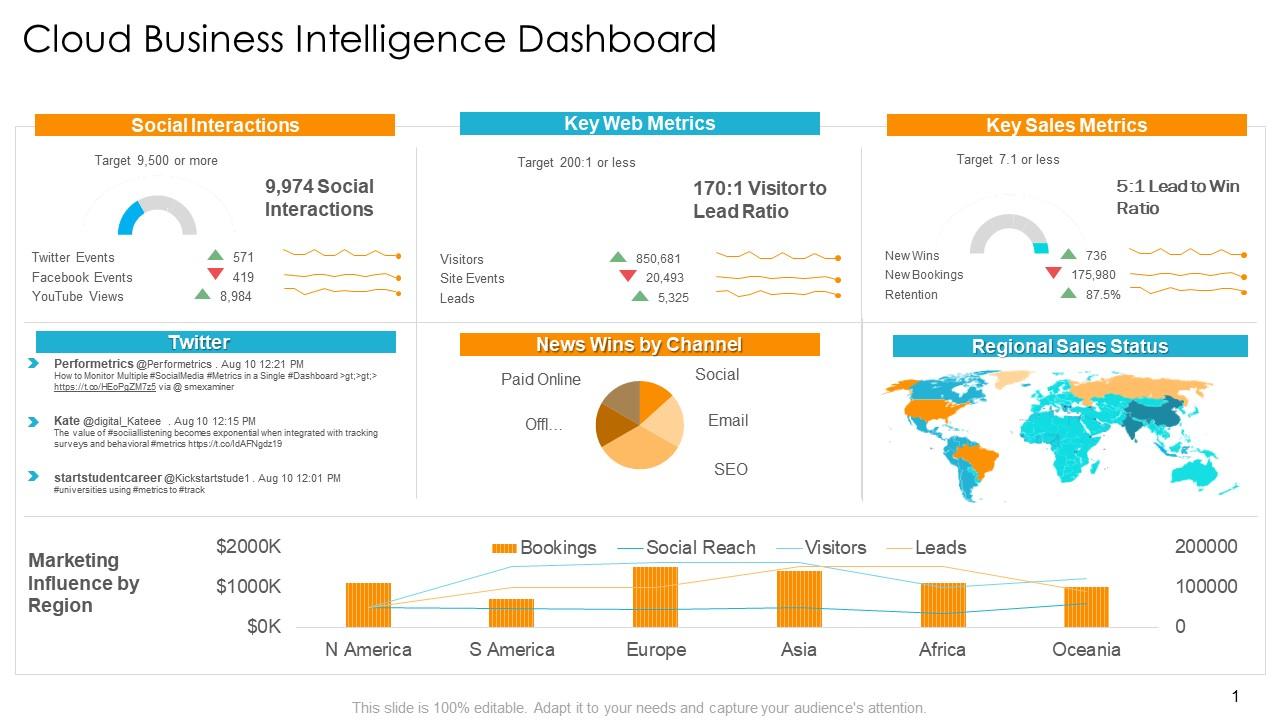
Cloud computing supports a wide range of real-world applications across multiple industries.
.png)
Data Storage and Backup
Organizations use cloud storage to securely store massive amounts of data while maintaining easy access and redundancy.
Application Hosting
Companies deploy web applications, mobile services, and enterprise platforms directly on cloud infrastructure.
Big Data Analytics
Cloud computing enables businesses to process large datasets and gain insights through powerful analytics tools.
Artificial Intelligence and Machine Learning
Cloud platforms provide scalable environments for training machine learning models and running AI-driven applications.

Collaboration Tools
Cloud-based collaboration platforms allow teams to share files, communicate, and work together in real time regardless of location.
Cloud Security Best Practices
While cloud providers offer robust security systems, organizations must also implement best practices to protect their data and infrastructure.

Important security practices include:
Implementing strong access control policies
Using multi-factor authentication
Encrypting sensitive data
Monitoring network activity
Performing regular security audits
Updating software and applications frequently
A shared responsibility model exists between cloud providers and customers, meaning both parties play an important role in maintaining a secure cloud environment.
The Future of Cloud Computing
The future of cloud computing continues to expand with emerging technologies and new innovations. Several trends are shaping the next generation of cloud infrastructure.
Edge Computing
Edge computing processes data closer to where it is generated, reducing latency and improving performance for real-time applications.
Serverless Architecture
Serverless computing allows developers to run code without managing servers, making application development faster and more efficient.

Artificial Intelligence Integration
Cloud platforms increasingly integrate AI services that allow businesses to automate processes, analyze data, and build intelligent applications.

Multi-Cloud Strategies
Many organizations now adopt multi-cloud environments, using multiple cloud providers to improve reliability and avoid vendor lock-in.

Conclusion
Cloud computing has become a foundational technology for modern digital infrastructure. By providing scalable computing resources, global accessibility, and cost-efficient solutions, the cloud empowers organizations to innovate faster and operate more efficiently.

As businesses continue to embrace digital transformation, cloud technologies will play an even greater role in shaping the future of software development, data management, and global collaboration.
Organizations that invest in cloud infrastructure today are positioning themselves for long-term success in an increasingly connected and data-driven world.




















.jfif)


.png)


.jfif)


0 Comments