


1. What Is Notion?
Notion is an all-in-one productivity and project management platform that combines:
Note-taking
Task management
Databases
Knowledge management
Team collaboration tools
Unlike traditional productivity apps, Notion allows you to build fully customizable workflows tailored to your personal or business needs.
2. Why Notion Is the Best Productivity Tool in 2026
Search terms like “best productivity tool”, “Notion project management”, and “how to organize work with Notion” continue to grow — and for good reason.
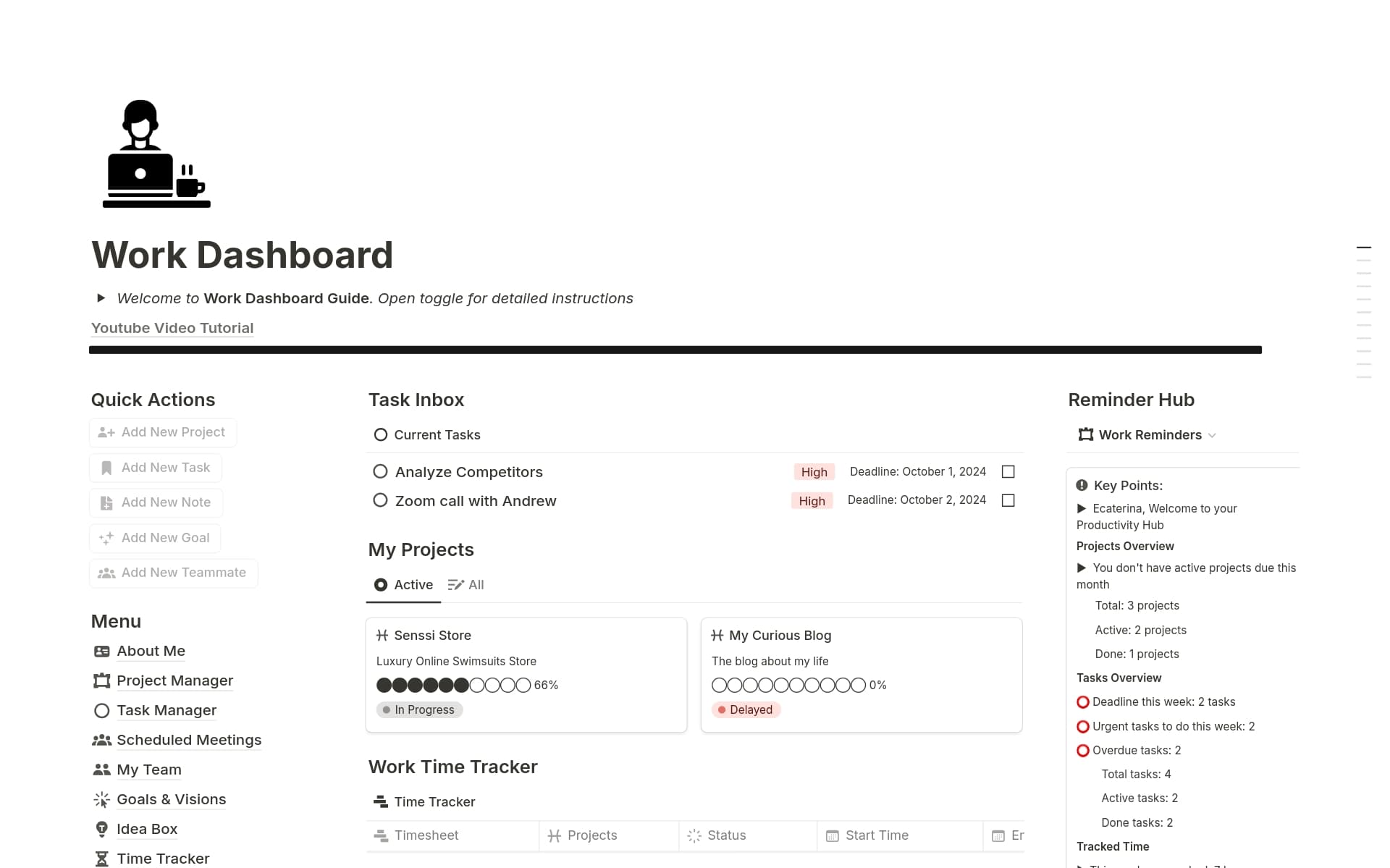
Key Advantages:
✅ Fully customizable dashboards
✅ Flexible database system
✅ Real-time collaboration
✅ Cross-platform availability
✅ Scalable for individuals and enterprises
Notion adapts to your workflow — not the other way around.
3. How to Set Up Notion for Maximum Productivity
Before adding pages randomly, follow this structured framework.
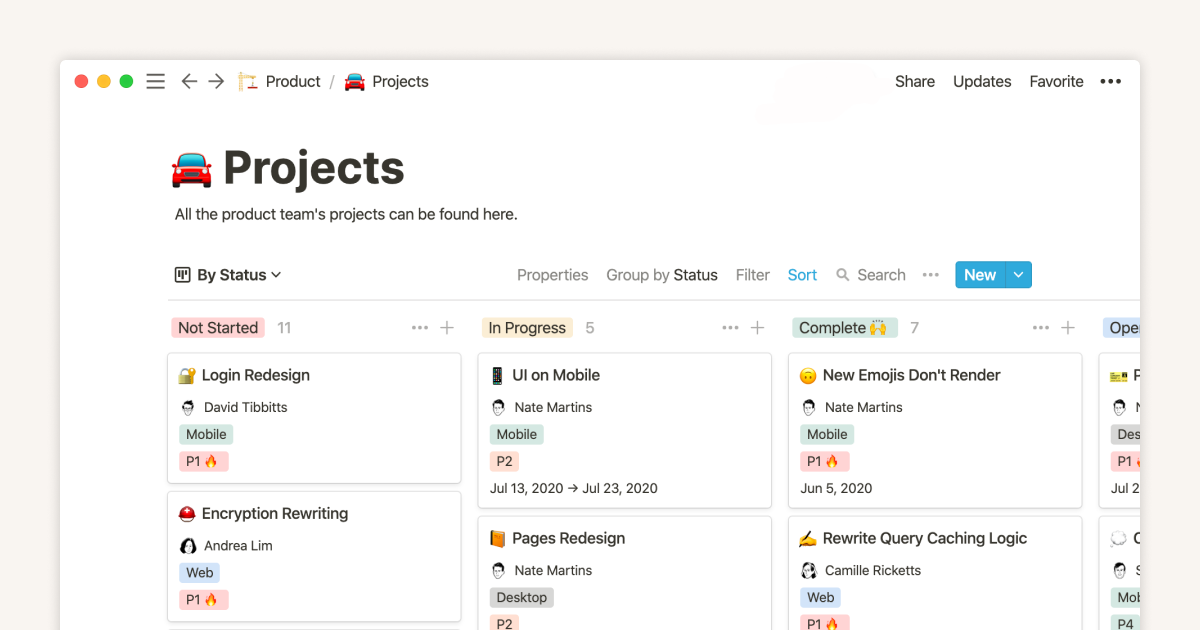
Step 1: Define Your Core Areas
Divide your workspace into:
Personal
Work / Business
Learning
Goals & Planning
Step 2: Create Core Databases
You only need four foundational databases:
Tasks
Projects
Goals
Knowledge Base
Everything else connects to these.
4. Building a Professional Notion Dashboard
Your dashboard should function as a command center.
Essential Sections:
📌 Quick Access Panel
Today’s tasks
High-priority items
Upcoming deadlines
📊 Projects Overview
Active projects
Status tracking
Progress indicators
🎯 Goals Tracker
Quarterly objectives
KPIs
Completion percentage
📚 Knowledge Hub
SOPs
Research
Documentation
Keep it clean and strategic. Avoid clutter.
5. Creating a Powerful Task Management System in Notion
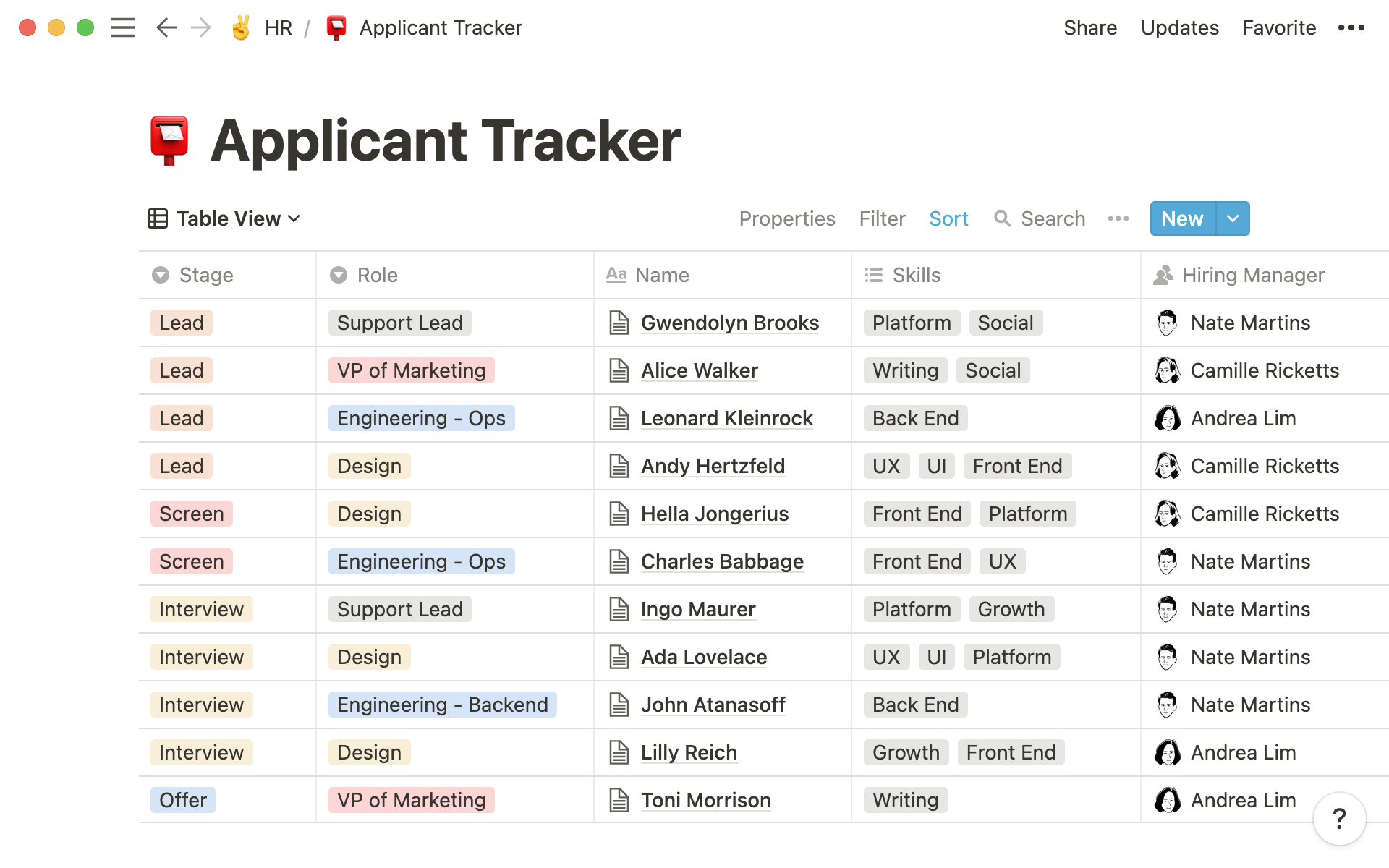
Instead of simple checklists, use a structured task database.
Recommended Properties:
Status (To Do, In Progress, Done)
Priority (High, Medium, Low)
Due Date
Project Relation
Effort Level
Use Multiple Views:
Kanban Board View
Calendar View
Table View
Filtered “Today” View
This allows better workflow visibility and control.
6. Using Notion for Project Management
Notion is highly effective for managing projects of any scale.
Project Page Structure:
Overview
Objectives
Timeline
Linked Tasks
Resources
Meeting Notes
By connecting tasks to projects using relational databases, you gain automatic progress tracking.
Search keyword focus:
Notion project management system
How to manage projects in Notion
7. How Teams Use Notion for Collaboration
Notion is widely used for:
Internal documentation
Task delegation
Meeting management
Company wiki
Onboarding systems
Benefits for Teams:
Transparency
Centralized knowledge
Reduced communication gaps
Clear accountability
It eliminates scattered tools and disconnected workflows.
8. Advanced Notion Features for Professionals
For advanced users:
Relations & Rollups
Formula properties
Linked database views
Automation integrations
Template buttons
Permission management
These features transform Notion from a simple planner into a full operational system.
9. Common Mistakes to Avoid
❌ Overcomplicating your workspace
❌ Using too many templates
❌ Ignoring system reviews
❌ Poor database structure
❌ Mixing personal and professional workflows without separation
Structure + consistency = productivity.
10. Final Thoughts
Notion is more than a note-taking app — it is a customizable productivity ecosystem.
Whether you are an entrepreneur, student, freelancer, or team leader, building a structured Notion system can:

Improve clarity
Increase efficiency
Centralize operations
Enhance focus
The secret is not complexity — it’s intentional design and weekly optimization.


















.jfif)


.png)


.jfif)


0 Comments